
Upcoming events …
Campaign for Nuclear Disarmament in Merseyside and Beyond: Archives, Art, and Politics
Date: 16th April 2026
Time: 5.30 – 7.30
Location: LJMU Student Life Building, Room 206
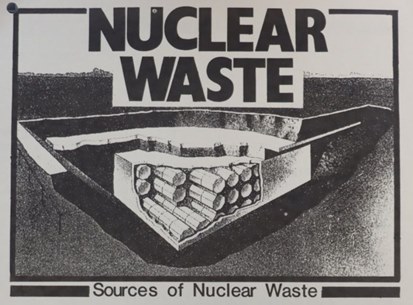
Details: Liverpool Hope University houses the archives for the Formby and Merseyside Branches of the Campaign for Nuclear Disarmament (CND). At this interesting event, Liverpool Hope history specialists Karen Backhouse, Fiona Hair, and Rosie Germain, will talk through and share some show-case items in the archive.
A keynote address will be provided by nuclear history specialist at the University of Liverpool, Dr. Jonanthan Hogg, members of Merseyside CND will discuss their experiences, and we will close the event with a showing of artwork by Liverpool Hope PhD student Annabel Little.
This event will consider a critical part of Merseyside’s past and present, and we hope will be of interest to the public in Merseyside and beyond.
This event may also be particularly useful for undergraduate, masters, or graduate students who are considering their dissertation topics, and archives to use for them, or areas connected to the CND in their studies more generally.
We look forward to seeing you there!
The full archive inventory can be accessed at: https://archives.hope.ac.uk/records/CND
You can sign up here in advance, or turn up on the day: https://www.eventbrite.co.uk/e/campaign-for-nuclear-disarmament-in-merseyside-archives-art-and-politics-tickets-1985281423179#location
One World, Many Voices? Musicians as Protagonists of Internationalism(s)
23 April, 5 pm, John Foster Building/103 (Liverpool John Moores University)
Public lecture with Prof. Daniel Laqua (Northumbria University) hosted by the Centre for Modern and Contemporary History at LJMU
Lecture
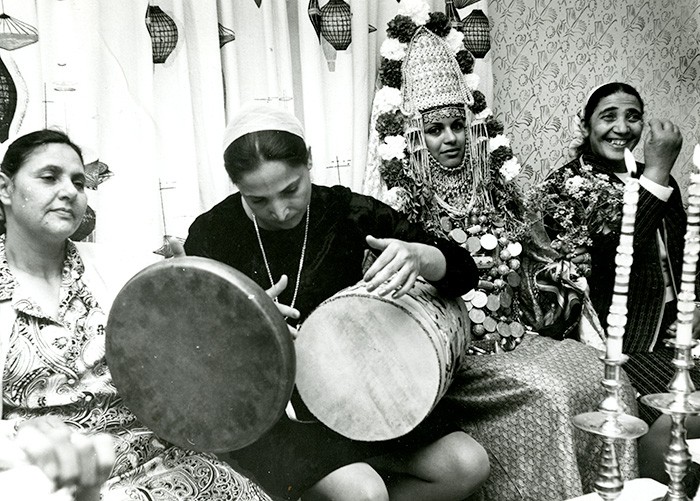
It is something of a cliché to describe music as a ‘universal language’ – especially when bearing in mind that specific national and cultural contexts often shaped the production and reception of music. This lecture – which also serves as the closing keynote for the History MA ‘Histories of Internationalism’ Conference at LMJU – argues that the conceptual lens of internationalism provides us with a fruitful way of analysing the ways in which music and musicians have crossed various borders.
The term ‘internationalism’ is an umbrella term for different ambitions and practices that aim at international cooperation, without abandoning the national lens altogether. The lecture argues that we can see musicians as protagonists of internationalism in the twentieth century.
At one level, this included the role of some musicians in espousing and promoting particular internationalist visions – including communist and Pan-African ones – as well as their participation in international solidarity campaigns. At a second level, the paper explores how we might consider concerts and festivals as particular manifestations of internationalism. And at a third level, the paper considered some of the particular notions and structures associated with ‘world music’. Internationalism often fell short of the global aspirations that it proclaimed – a point that the musical examples clearly demonstrate.
Presenter Bio: Prof. Daniel Laqua
Daniel is Professor of Modern and Contemporary History. His research deals with movements and organisations whose activities transcended national boundaries, covering the causes promoted by socialists, anarchists, pacifists, humanitarians, student activists and anti-racist campaigners. Daniel has led a variety of projects (with funding from the AHRC, ESRC, the British Educational Research Association, the Society for Educational Studies and various international councils), maintaining collaborations with historians in Belgium, Britain, Canada, Germany, the Netherlands, Switzerland and the US. He is the editor-in-chief of History: The Journal of the Historical Association.
Building Community through Environmental Regeneration in the Northwest since the 1970s
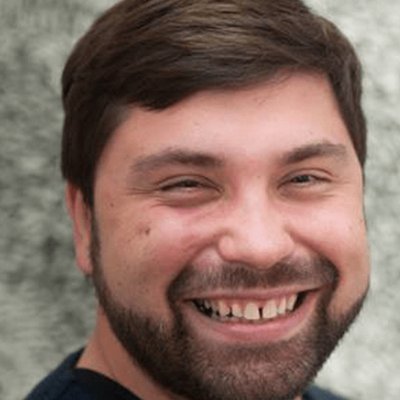
Speaker: Dr Pierre Botcherby (below)
Date: Weds 6th May 2026
Time: 5:30 – 7 pm
Location: LJMU Student Life Building, Room 206
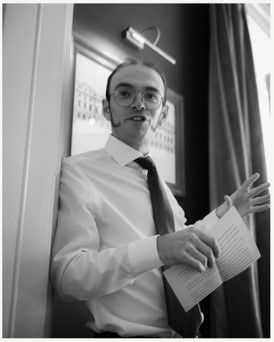
Dr Botcherby will explore the effects of de-industrialisation and environmental regeneration on communities in the Northwest, using St Helens as an illustrative case study.

Abstract: Pierre will talk around the topic of recent published work reflecting on the moment, as he writes, ‘in the 1970s when the Major Urban Fringe Experiment, later known as Operation Groundwork, emerged in response to industrial decline, growing awareness of industry’s environmental impact and grass-roots environmentalism and regeneration activism. Contrary to ideas of concomitant industrial and community decline, Groundwork demonstrates post-industrial regeneration’s community-building potential. Groundwork created bespoke volunteer groups, helped set up others and worked with already existing organizations. Unlike contemporary regeneration initiatives in the 1970s and 1980s, these community links were retained even as Groundwork expanded’ Pierre’s talk ‘traces Groundwork’s origins and its launch under Labour in the 1970s, its championing by Conservative Minister Michael Heseltine and its successful expansion from its initial test site in St Helens (Merseyside), to the North-West and then nationwide.’
Citation from Botcherby, P in ‘Building community through environmental regeneration: Operation Groundwork’ in Urban History, 2024:1-17. doi:10.1017/S0963926824000646
Events in late 2025 and 2026 (Specific dates and locations to be updated soon):
Dr. Richard A. Gregory (Head of Post-Excavation, Oxford Archaeology), Lancaster Office, Hunter-gatherer (Mesolithic) Peoples, Landscapes, and Sea Level Change in Formby and Beyond.
Past Events
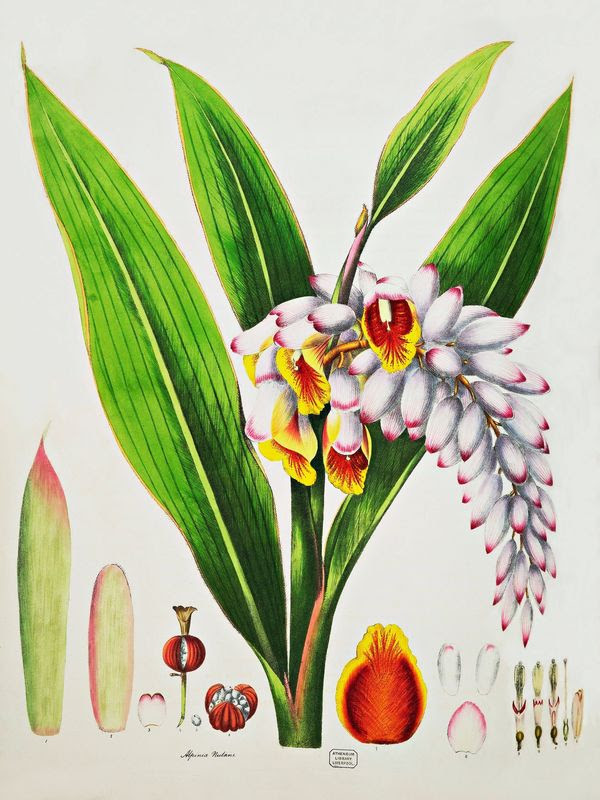
History of the Liverpool Botanic Collections 1802 – 2026
Speaker: Stephen Lyus
Date: 26th March 2026
Time: 5:30 – 7pm
Location: Student Life Building 208
Details:
The first of Liverpool’s Botanic Collections was created in 1802 in the country beyond Hope Street, focused on understanding plants of economic and medical value newly found in the Empire; then distributing those of value around the Empire. Liverpool’s Botanic Collections then had to move to Wavertree to escape the fumes and grime that then surrounded them. This garden opened in 1836. It remained there until the Luftwaffe destroyed the glasshouses in 1940. The third version was opened in the Harthill estate in 1964; it lasted until 1984 when the glasshouses needed replacement and LCC had no money. The plants were then stored in the LCC glasshouses at Garston until 2009 when those that could fit into spare glasshouses at Croxteth Park.
Dictatorships and Authoritarianism in Modern German History
Speaker: Dr André Keil, [below]
Date: 11th February 2026
Time: 5:30 – 7 pm
Location: LJMU Student Life Building, Room 206
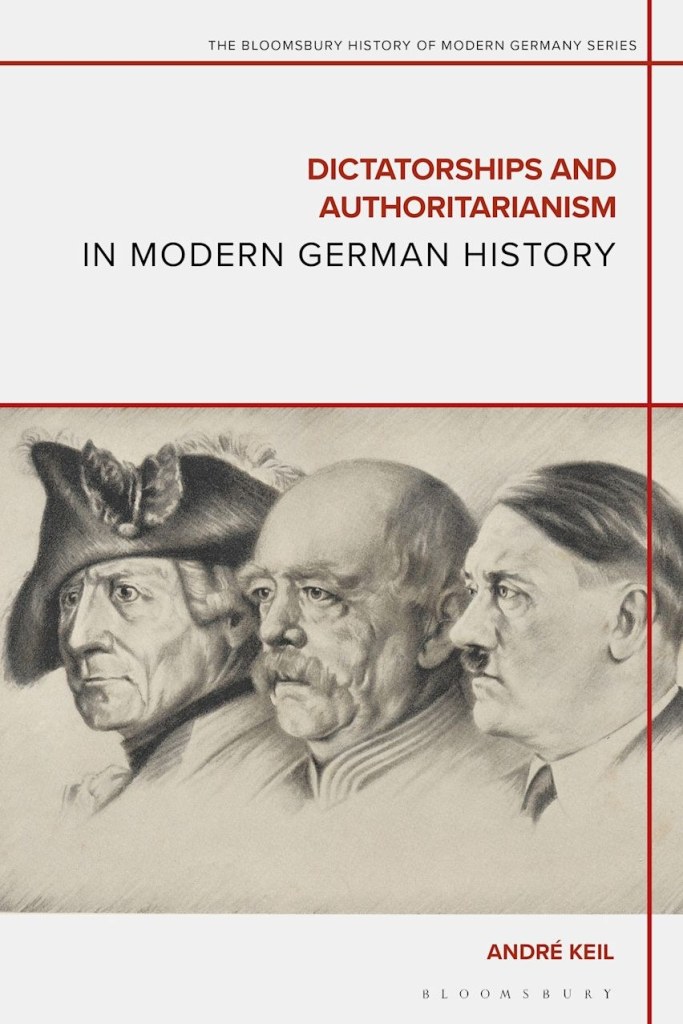
Details:
Professor James Crossland in conversation with the author, André Keil, about his new book on the history of dictatorships in modern Germany.
Dictatorships have been a defining feature of modern German history. The Nazi dictatorship between 1933 and 1945, which brought about the Second World War and the Holocaust, is still taught in schools and universities as the prime example of the destructiveness of ideologically driven regimes in the 20th century; the state-socialist regime in the German Democratic Republic that lasted for over 40 years bore many of the same dictatorial features. Yet, authoritarian mindsets and practices also featured in the politics of the imperial period after 1871. Even in the democratic Weimar Republic and the Federal Republic after 1945, authoritarianism continued to pose a challenge.
Professor James Crossland and André Keil will discuss this exciting new book and will offer some broader perspectives on how modern societies should confront the “allure of authoritarianism”.
Please use this link to book: https://www.eventbrite.co.uk/e/book-launch-dictatorships-and-authoritarianism-in-modern-german-history-tickets-1980708536552?aff=oddtdtcreator
Clean water in Merseyside? From the 1849 Cholera Epidemic to Current Day.
Date: Thursday, Nov. 27th, 2025
Speakers: Professor Darren Gröcke (Professor of Stable Isotope Geochemistry, Durham University) and Dr. Geraldine Reid (Lead Curator of Botany, Geology & Science, World Museum)
Time: 6pm – 7.30
Location: @ LJMU Student Life Building (Copperas Hill Liverpool L3 5AJ). The specific room will be indicated at ground floor reception.
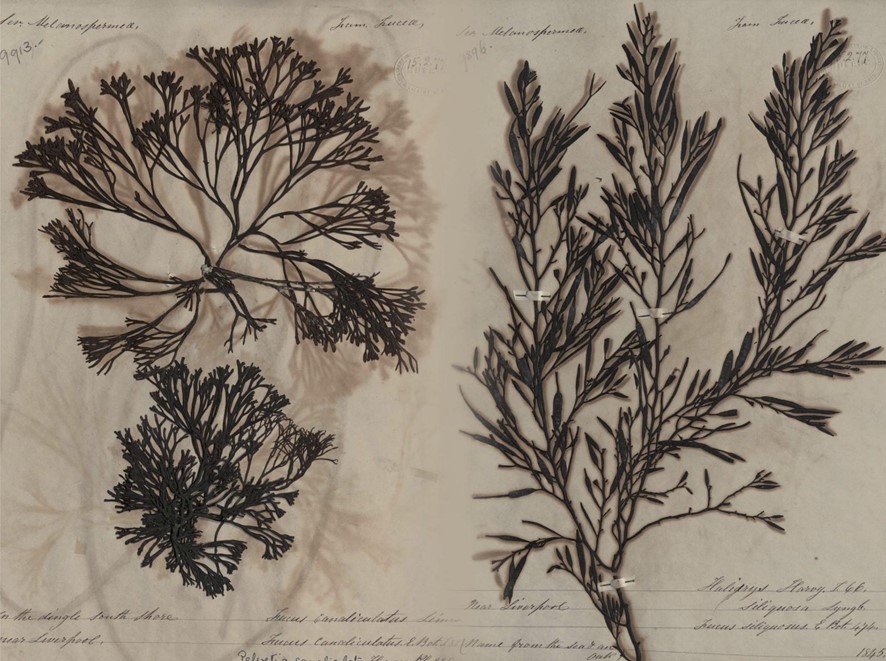
Abstract: Today we wild swim for leisure, and face the geopolitical uncertainties of water scarcity. Questions about water quality and its history are therefore urgent. This innovative and interdisciplinary talk will shed light on water quality in the Mersey since the 1800s by combining the disciplines of chemistry, botany, and history. The speakers will explain the evidence that they have used to measure water quality over time. They will propose some reasons, linked to human settlement and behaviours, for changes in water quality across Merseyside. In the light of this historical perspective, we will consider how to secure long-term water quality and respect for the environment in Merseyside and beyond. This discussion promises to provide some useful perspectives on humans’ relationship with water and their environment.
For this talk the speakers refer you to the following open-access paper: https://pubs.rsc.org/en/content/articlelanding/2024/va/d4va00015c
Presenter Biographies:
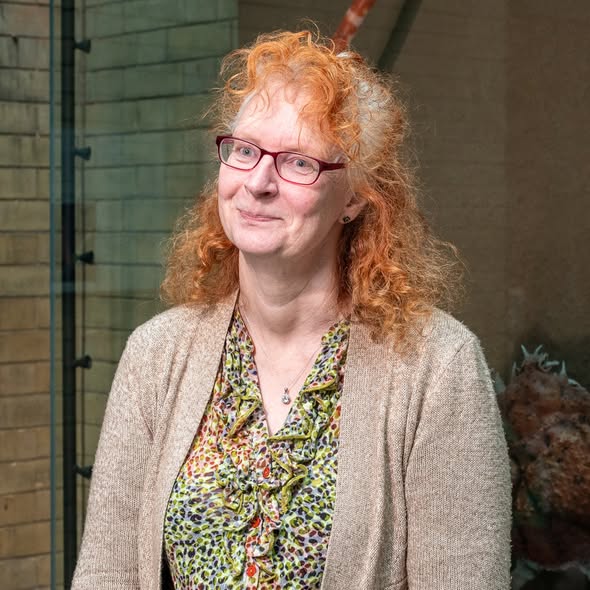
Dr Geraldine Reid is a marine botanist who is Lead Curator of Botany, Geology & Science at National Museums Liverpool. She worked at the Natural History Museum, London for 18 years as a diatom researcher and curator, before returning to her home city of Liverpool. Her underlying research throughout her career has focused on diatom systematics. Geraldine has 100 publications and current projects include the history of World Museum botanical collections, The Fern Flora of Honduras, marine biofouling and antifouling, the algae of Liverpool Bay and a decolonial approach the origins of AI.
Geraldine obtained her PhD from Bristol University and her BSc in Marine Biology & Botany from Bangor University.
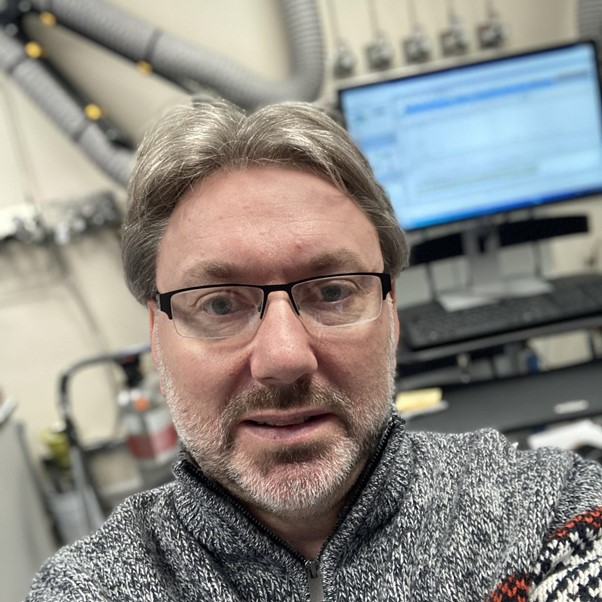
Prof Darren Gröcke is Professor of Stable Isotope Biogeochemistry in Department of Earth Sciences, Durham University. At Durham, Professor Grocke is also the Director of the Stable Isotope Biogeochemistry Laboratory (SIBL) at Durham University. Darren’s current research focuses on using elemental and stable isotope geochemistry to understand modern biogeochemical processes in marine and terrestrial environments. He has a particular interest on nitrogen isotopes as a tracer for nutrient pollution in estuaries and coastal environments, including in Merseyside. Darren is an inquisitive scientist who finds it hard to say no to projects, since everything is fascinating. Current projects include; farming soils and bacteria; amphipods and pathogens in our estuaries; Miyawaki forests and carbon storage; jellyfish controlled feeding experiments; and crop experimentation and archaeological records.
Darren obtained his PhD (DPhil) from the University of Oxford, UK, in 2001, after which he worked as a lecturer at the University of London followed by McMaster University (Canada) before joining Durham in 2007. Darren was born and grew up in Adelaide, Australia, and completed his BSc in Geology at the University of Adelaide in 1994. Darren has published over 200 international publications and supervised over 40 MScR/MSci students, 28 PhD students and 8 post-doctoral research fellows.
Environment in Science Fiction: Exclusive insights from the Science Fiction Archives at the University of Liverpool Special Collections.
Date: Thursday, Oct. 23rd, 2025
Speaker: Tom Dillon, Archivist and Curator at Special Collections University of Liverpool
Time: 4.30-5.45 pm
Location: Special Collections, University of Liverpool, meet in the reception area of the Sydney Jones Library, Chatham St, Liverpool L7 7BD, at 4.20

Abstract:
Desert planets, ocean moons, and worlds covered by jungle – the planetary scale of science fiction has long made it a literature suited to exploring ecology. With the onset of climate change, science fiction novels have increasingly mirrored the concerns of environmentalism and to this day continue to reflect on the effects of humanity on our world, whether this be through the analogy of an alien planet or depicting climate catastrophe in our own future.
The event will be an opportunity to explore how science fiction has engaged with questions of the environment, through a display of science fiction related materials and a short talk by the collection’s curator Tom Dillon. Items will be drawn from the Science Fiction Collections at the University of Liverpool, the largest collection of science fiction in the UK. The talk will give an overview of the theme of environment in science fiction and then focus on the works of Brian W. Aldiss, an author who consistently engaged with ecology in his career.

